
A comfort-first approach
Short sessions, stable footing, and tools that reduce strain can make gardening feel calmer and more consistent.
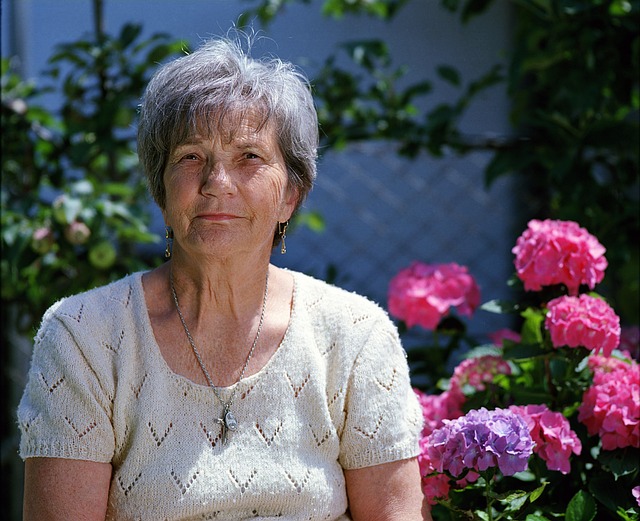
Images are illustrative of senior-friendly methods and garden routines.
Comfort-first fundamentals
The most effective gardening method is the one you can repeat comfortably. Before changing plants or buying new items, adjust the way you work. A comfort-first routine focuses on stable balance, lighter lifting, and predictable pacing. This reduces the feeling of being “behind” and helps you enjoy small progress each week.
Start by choosing one time of day that feels best for you, then keep sessions brief. If you use a chair or a stable kneeling support, place it where you can reach the tools you need without twisting. When tasks are arranged around comfort, the garden becomes easier to care for and easier to return to.
Use the “10 minute method”
Set a short timer and do one task only: water, deadhead, or tidy. Stop when the timer ends, even if you could do more. This builds a reliable routine.
Keep work within easy reach
Arrange pots and tools so you can work with elbows close to your body. Less reaching often means better control and fewer awkward angles.
Lighten what you lift
Use smaller watering cans and smaller soil containers. Refilling twice is often easier than one heavy carry. Store items at waist height where possible.
Prioritize stable footing
Keep paths clear and avoid carrying tools while stepping over hoses or pots. Move items first, then work, then tidy the route again.
A helpful way to think about gardening tasks is “set up, do the task, reset.” A short setup and a short tidy can make the work feel calmer and safer the next time you return.
Containers and raised planters
Containers and raised planters are often the most flexible option for comfort. They can be placed where the light is best, grouped to reduce walking, and set at a height that avoids deep bending. If your garden space feels difficult, moving to containers can be a practical reset that still provides flowers, herbs, and vegetables.
The method that works well is to keep things simple: fewer, larger pots rather than many small ones, and plants with similar needs grouped together. This reduces the number of different routines you must remember and makes watering more predictable.

Choose a comfortable height
Aim for a working height that keeps your back straighter and your hands closer to your body. If a bed is too low, consider a tabletop planter or tall containers.

Group by watering needs
Keep thirstier plants together and drier plants together. This simple grouping reduces guesswork and makes daily checks quicker.
Mulch for moisture control
A thin layer of mulch helps pots dry more evenly and can reduce the frequency of watering. It also keeps soil from splashing onto leaves.
A simple weekly checklist
Check soil moisture, remove spent blooms, look under leaves, and refill a small container of compost. A short checklist helps keep maintenance gentle.
Watering method: check first, then water
Instead of watering on habit alone, check the soil first. Touch the top layer and, if possible, check a little deeper. Water only what needs it. This reduces heavy carrying and prevents overwatering, which can cause stress for many plants.
Indoor plants and low-effort care
Indoor gardening can be a comfortable option when outdoor tasks feel too demanding. Houseplants also help you keep a steady routine through the year. The key is to match plants to your available light and to create a simple care system that reduces lifting and spills.
Consider placing plants on stable surfaces at a comfortable height and using lightweight watering tools. A small tray setup can help keep the area tidy, and grouping plants makes care quicker and more consistent.
Match plants to light
A plant that suits your window light usually needs fewer adjustments. If a plant struggles, try changing the location before changing everything else.
Use smaller watering tools
A lighter container improves control. If you have many plants, refill more often rather than lifting a heavy jug across the room.

A calm indoor routine
Choose one day each week for checks. Remove dry leaves, look for pests, and water only when needed. A predictable rhythm reduces worry.
Simplify feeding and potting
Keep a small container of potting mix ready. If repotting feels tiring, focus on top-dressing with compost and refreshing only a few plants at a time.
Want a simple, printable routine?
Register to receive comfort-first checklists and practical method guides.
Seasonal approach: plan small, maintain gently
Seasonal planning is easier when it is broken into small, repeatable actions. Rather than trying to do everything at once, select one area to refresh and one task to maintain. This makes the garden feel cared for without requiring long sessions.
A helpful practice is to keep notes about what worked: which pots dried fastest, which plants needed less attention, and which tasks felt easiest. Over time, your garden becomes more personal and more comfortable to manage.
Spring: refresh one area
Focus on one bed or a few containers. Clean up gently, add compost, and plant a small selection. Keep the rest as simple maintenance.
Summer: check moisture first
Hot days can lead to frequent watering. Checking first prevents unnecessary lifting and helps you focus on the plants that truly need water.
Autumn: tidy for easier movement
Keep paths clear, store tools where you can reach them, and reduce clutter. A calmer layout makes the next season easier to start.
Winter: indoor rhythm
Keep it simple with indoor plants. A weekly check supports continuity and makes it easier to return outdoors when the season changes.
A method that protects enjoyment
When you protect your comfort, you protect your enjoyment. The garden becomes a place to relax and notice progress, rather than a list of heavy tasks.
Disclaimer
The information on this website is for informational and educational purposes only and is not a substitute for professional advice. Gardening activities involve inherent risks, including slips, trips, falls, allergic reactions, and strain from lifting or repetitive motion. Use good judgment, follow product instructions, and consult a qualified professional where appropriate for your individual circumstances.